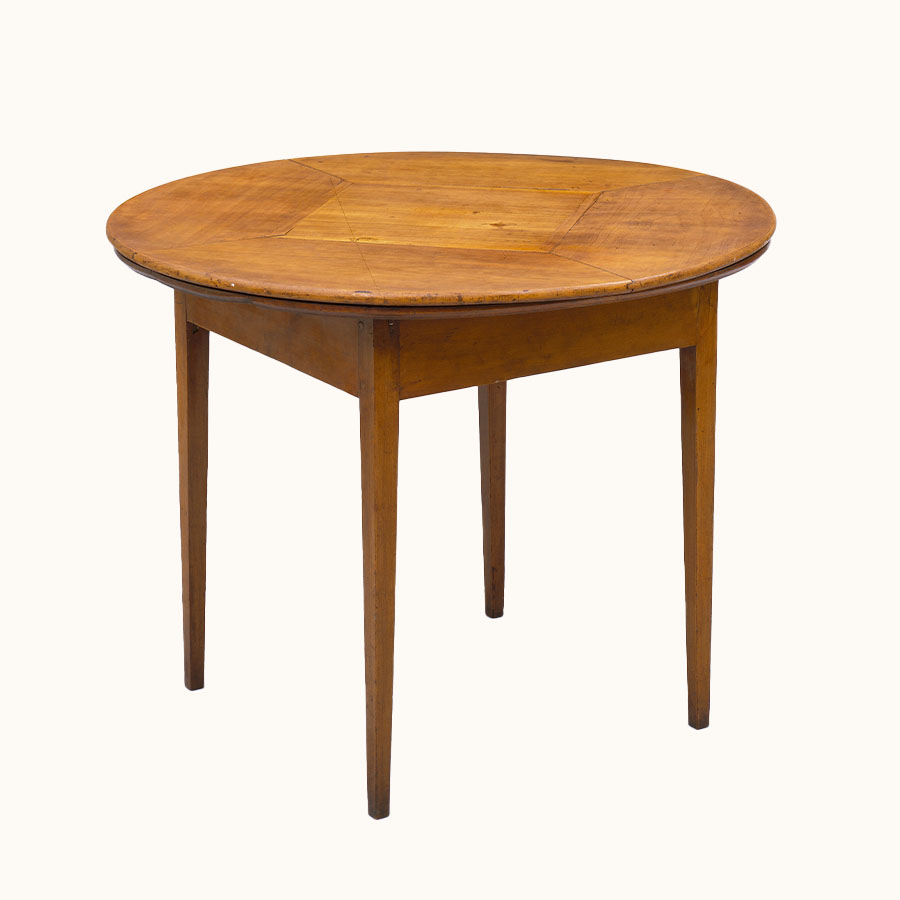
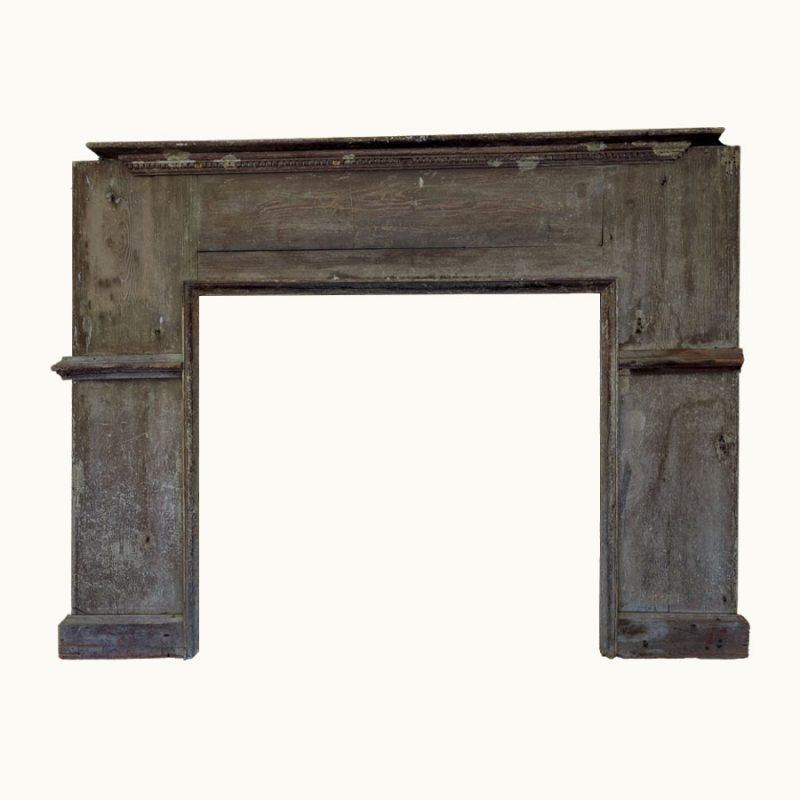
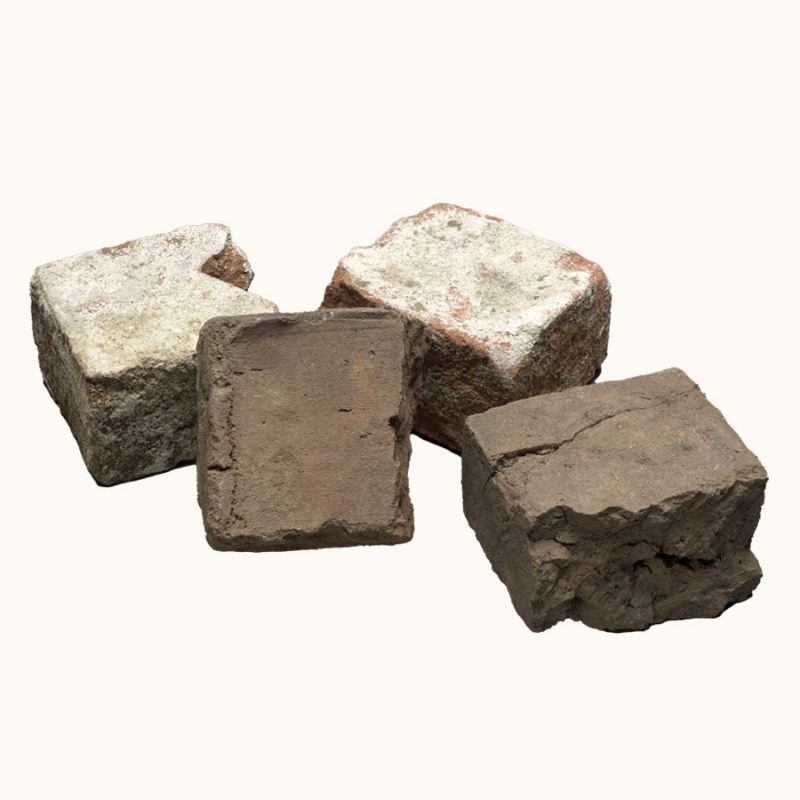
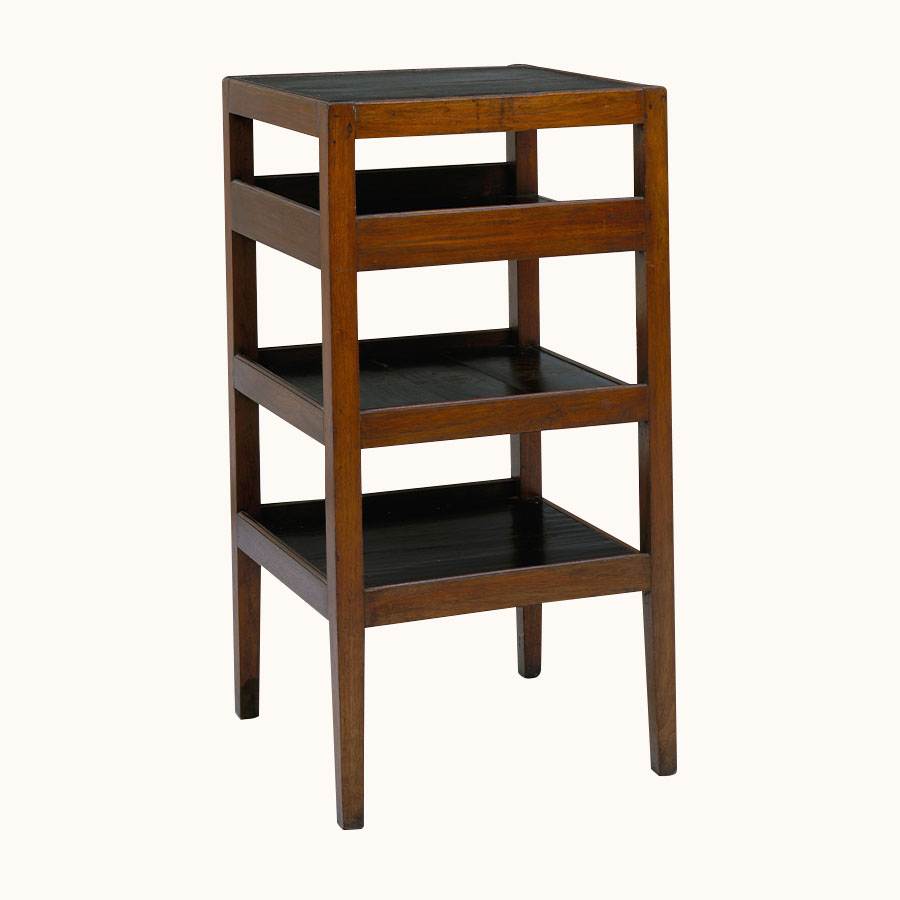
Heavily influenced by his European travels, Thomas Jefferson designed Monticello, in Albemarle County, Virginia, to be his retreat for intellectual reflection. Monticello was also a plantation home to 600 enslaved people. Jefferson relied on their labor and creativity to satisfy his intellectual and aesthetic experiements. This dumbwaiter and revolving table were made by enslaved cabinetmaker John Hemmings.
John Hemmings was born enslaved at Monticello in 1776. Raised in the carpentry trade, he demonstrated a talent for working with wood. By his teenage years, he was tasked with helping white woodworkers enlarge the main house. After James Dinsmore, chief joiner on the plantation, left Monticello, Hemmings assumed his role. Jefferson’s shop accounts document the creation of this revolving table and dumbwaiter for their use at his home, Poplar Forest. Hemmings remained enslaved at Monticello until Jefferson’s death, at which point he was freed with all of his tools.
Revolving Table John Hemmings
Monticello, Charlottesville, Virginia
1811
Cherry, yellow poplar, walnut, southern pine, and brass 1976-34
Loan courtesy of the Thomas Jefferson’s Monticello Foundation, Thomas Jefferson Foundation Purchase
Dumbwaiter John Hemmings
Monticello, Charlottesville, Virginia
c. 1815
Walnut and pine
Loan courtesy of the Thomas Jefferson’s Monticello Foundation, Thomas Jefferson Foundation Purchase
Objects
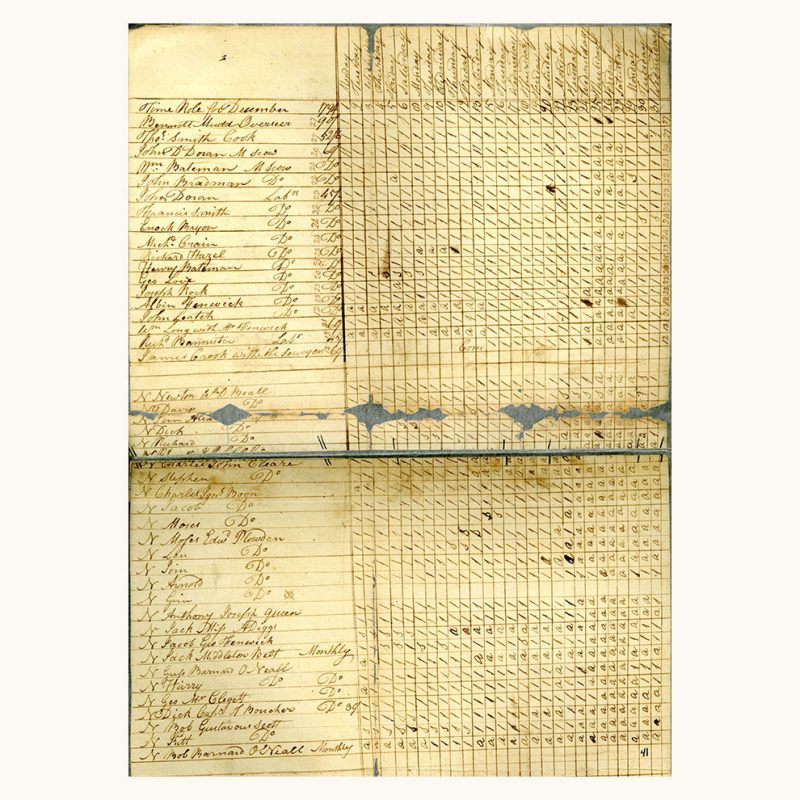
John Hoban – Enslaved Payroll for the White House (Facsimile)