The American Revolution was itself a great contradiction, one in which British subjects fought for independence and liberty from the British, yet denied those same tenets to the estimated 500,000 enslaved people in their American colonies in 1776. At the successful conclusion of the Revolutionary War, the newly structured republic faced further turmoil as its leaders confronted the issue of slavery. Thomas Jefferson, author of the Declaration of Independence and third President of the United States, wrote, “I considered it at once as the knell [death] of the Union.” George Washington, Revolutionary War hero, plantation owner, enslaver of hundreds of people and first President of the United States, wrote, “There is not a man living who wishes more sincerely than I do, to see a plan adopted for this abolition of [slavery].” Despite their fears of the damaging effects of slavery on the country and their own morality, neither Founding Father took immediate and drastic action to end slavery, as both men and their families were dependent upon the practice, business, and profits of slavery.
I never mean (unless some particular circumstance should compel me to it) to possess another slave by purchase: it being among my first wishes to see some plan adopted by the legislature by which slavery in the Country may be abolished by slow, sure, & imperceptible degrees.”
– George Washington
The improvement of the blacks in body and mind, in the first instance of their mixture with the whites, has been observed by every one, and proves that their inferiority is not the effect merely of their condition of life.”
– Thomas Jefferson
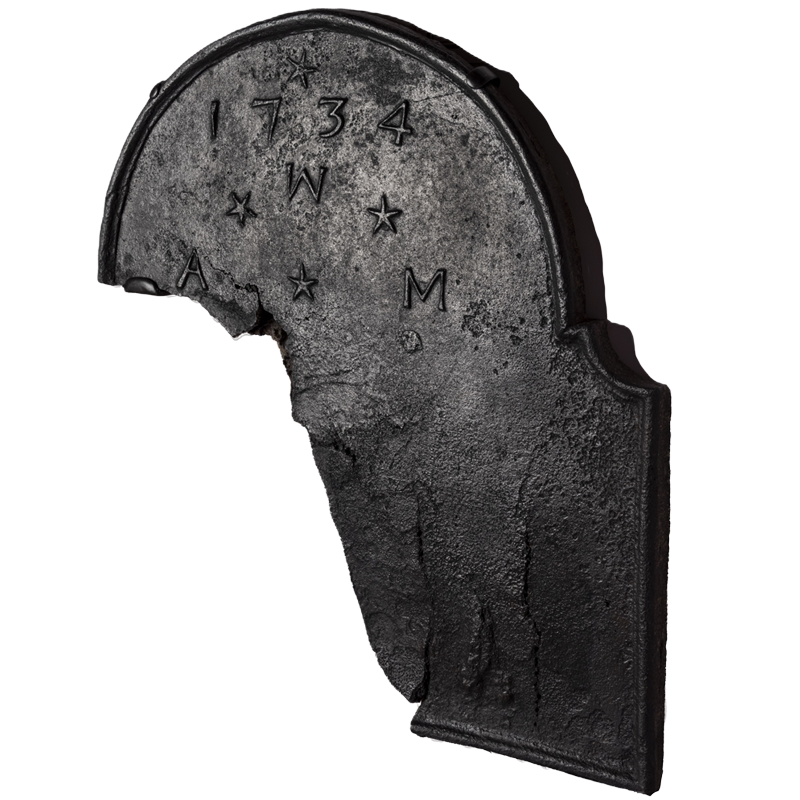
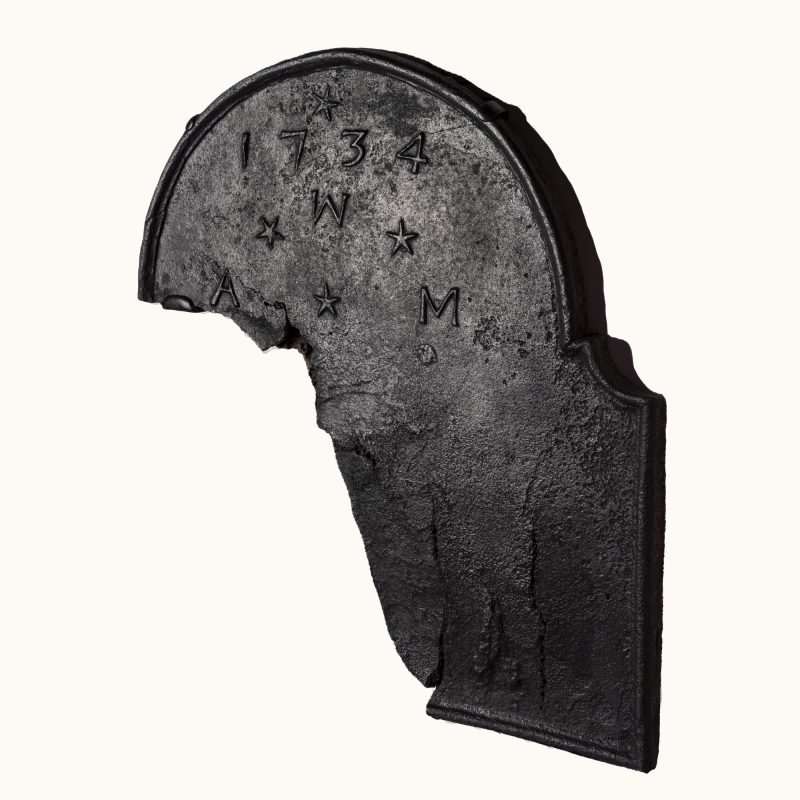
Objects
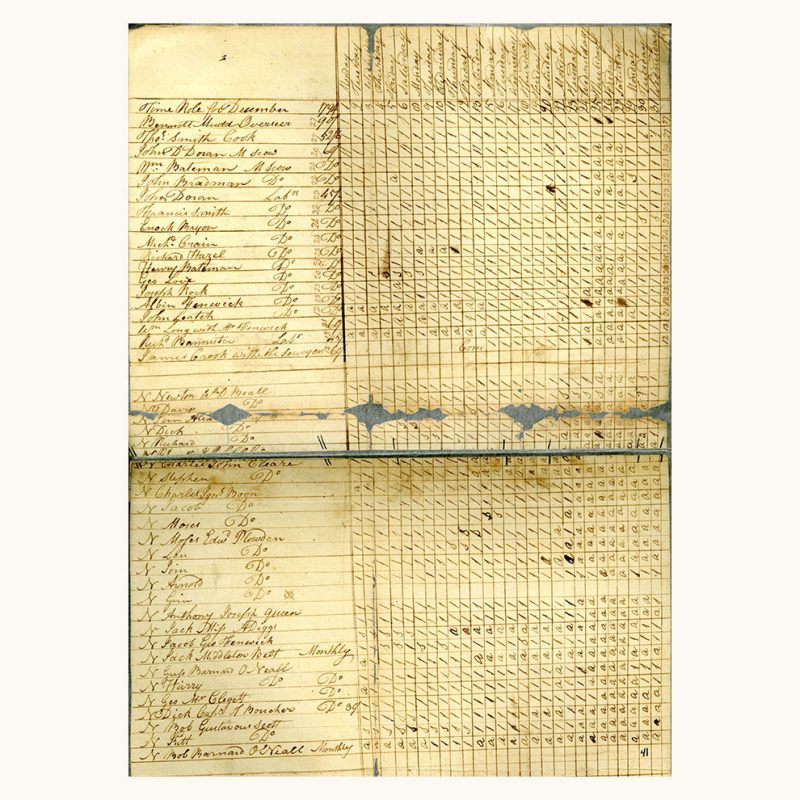
John Hoban – Enslaved Payroll for the White House (Facsimile)